




What Can PCOs Learn from the U.S. Navy About Cockroach Control?
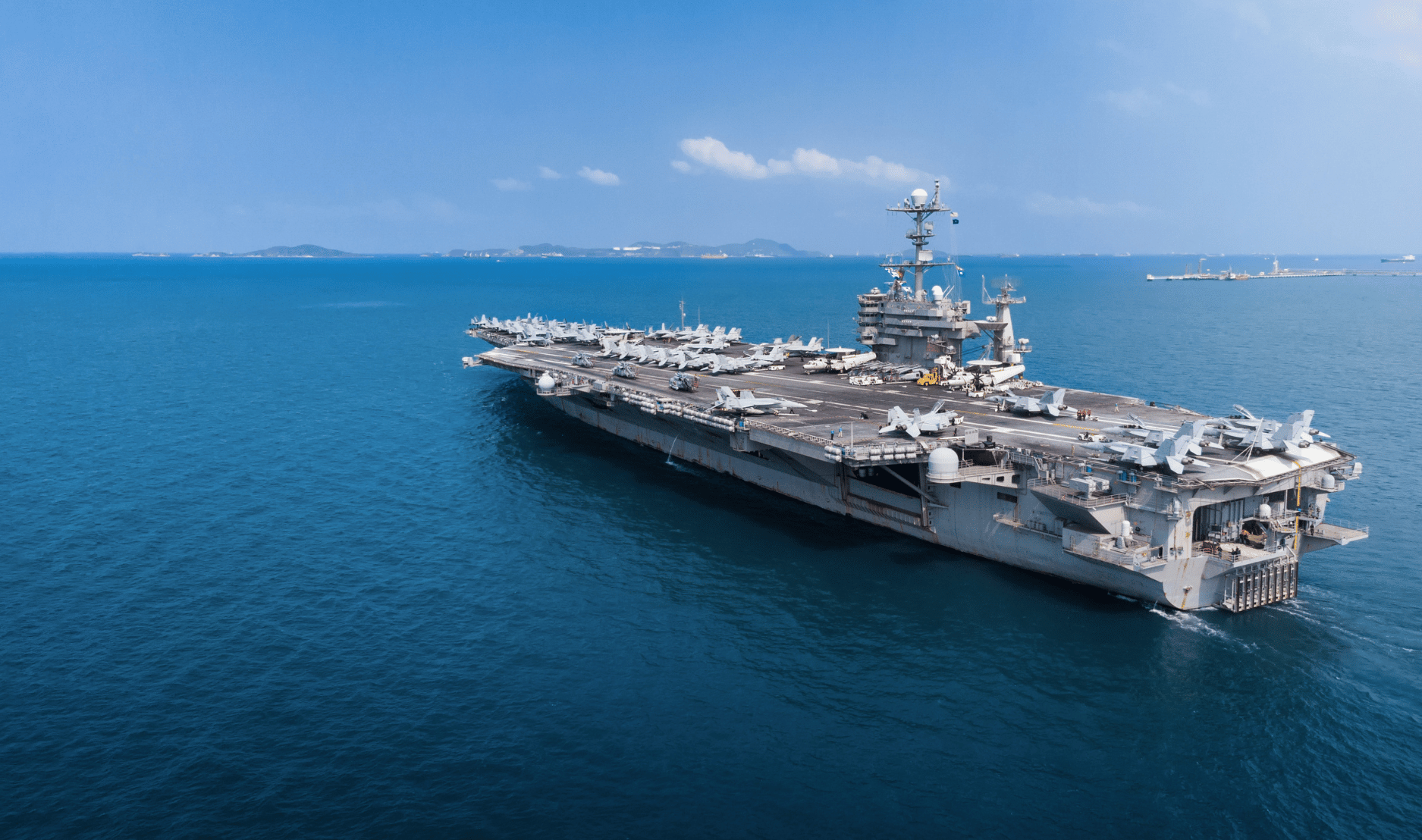
German cockroaches thrive when they have access to food in dark, warm and moist environments and reproduce rapidly, making them a challenging pest to control. That problem is even more severe in the confinement of a naval vessel.
Why the German Cockroach Is the Navy’s Primary Concern
The German cockroach is one of the most commonly encountered pests aboard United States Navy ships and submarines. Cockroaches are brought aboard in boxes, stores and provisions or on personal gear. In the confined environment of a naval vessel, these stowaways can quickly become a major problem.
Cockroach infestations pose a significant threat to the health and morale of a crew. Smelling the strong odor or spotting a cockroach aboard signifies a lack of sanitary conditions on a ship and potential health risks. Infestations contaminate food preparation and dining areas (such as galleys, sculleries, and mess decks). Because cockroaches can carry bacteria and viruses that cause food poisoning, diarrhea, and dysentery, their presence also can threaten crew health. When not addressed correctly, cockroach infestations can persist through months-long deployments.
Why Shipboard Conditions Make Roach Control Uniquely Difficult
The construction characteristics of naval vessels make cockroach control very challenging. If you see a cockroach, it means there are likely many more hiding. Ships offer a concentrated supply of warmth, moisture, food, and endless hidden shelter perfect for cockroaches to thrive. On submarines, the long submersion times, tight quarters and complex machinery spaces can make treatment and eradication difficult. Because of the unique health risks and complex control challenges, the United States Navy has strict and detailed cockroach control and management protocols for surface ships and submarines.
Navy Shipboard Pest Management
The Navy Shipboard Pest Management Manual outlines best practices, regulations and approved pest control products for fleet management.
To prevent or treat cockroach infestation on ships and submarines, the guidelines outline preventative sanitation and hygiene instructions, maintenance and surveillance recommendations and pest control protocols.
Prevention
Proper sanitation is a key element in managing cockroach infestations on ships. Without sanitation, all attempted pest control measures will fail to eliminate the cockroach population. (NAVY SHIPBOARD PEST MANAGEMENT MANUAL, 2-3. Cockroach Control Aboard Surface Ships)
The Navy Shipboard Pest Management Manual recommends preventative sanitation measures to reduce the risk of cockroach infestation or eliminate many small cockroach infestations. Routine cleaning of food preparation areas, proper food storage and limiting the accumulation of organic material all minimize harborage sites and are critical to control.
Surveillance
Early identification of sites infested by cockroaches will expedite control by eliminating the breeding sources. (NAVY SHIPBOARD PEST MANAGEMENT MANUAL, 2. Surveillance Procedures a.)
The Navy Shipboard Pest Management Manual requires pest inspections every two (2) weeks for cockroaches for proactive surveillance or weekly during an infestation. The guide puts strong emphasis on early identification of harborages to eliminate breeding sources to expedite successful cockroach control programs.
Cockroaches shelter in nooks and crannies that are dark and warm. The Navy Shipboard Pest Management Manual lists several inspection locations where infestations are most likely. Some locations are unique to Naval life, like utility equipment and bulkheads, but many are sites familiar to many pest control professionals including sinks and drains, in kitchen equipment like refrigeration motor housing or discarded cardboard.
The manual recommends using sticky traps as a tool to detect low-level populations, locate harborages and pest identification prior to treatment and to determine the effectiveness of control measures employed. However, the manual is explicit — trapping is a surveillance tool only and will not reduce cockroach populations. Sometimes, the Navy uses flushing agents such as aerosols for surveillance – but these products are not considered a control measure. Routine applications are not authorized, and cannot be used on a submerged submarine.
Cockroach identification guidelines and diagrams are included in the manual to help personnel with surveillance and creating control plans. The manual urges medical and sanitation personnel to familiarize themselves with the main species of cockroaches.
Cockroach Control Aboard Surface Ships and Submarines
After sanitation, the Navy’s preferred method of shipboard cockroach control on surface ships and submarines are baiting and Insect Growth Regulators (IGR). The Navy Shipboard Pest Management Manual provides detailed instructions on how to place baits, apply pesticides and the regulations unique to surface ships versus submarines.
Cockroach Control Protocol Summary
Cockroach Baits
Use cockroach bait stations or gel baits. Place baits horizontally to the deck where roaches or droppings are found, especially in high-density harborages. Place 4–6 bait stations per 100 square feet.
Insect Growth Regulators (IGRs)
The manual recommends using IGRs, such as Gentrol Point Source®, together with other cockroach control methods. What is an IGR, and what does it do to cockroaches? Insect Growth Regulators are chemicals that prevent target pests’ development into adulthood. This is particularly effective for insects with gradual metamorphosis, such as German cockroaches that spend 3x longer in the immature nymph stage than in the adult stage.
The Navy Shipboard Pest Management Manual specifically mentions Gentrol Point Source as an approved IGR to use as part of a cockroach control program. As a roach control device, Gentrol Point Source® features the insect growth regulator (IGR) (S)-hydroprene for up to 90 days of control. (S)-hydroprene disrupts normal development and prevents nymphs from maturing into reproductive adults. The molecule also has the unique ability to translocate, meaning the molecules are heavier than the air around them and migrate to reach hidden and hard-to-reach areas. This is particularly important on submarines where most pesticides cannot be used unless at port.
Post-treatment procedures
Keep personnel out of treated spaces until they have been ventilated for at least 30 minutes, or longer in areas with poor ventilation and follow the pesticide label for re-entry requirements. Device-based applications such as Point Source do not have re-entry time requirements.
What Can PCOs Learn from Navy Pest Control Protocols?
Most cockroach control calls don’t involve false bulkheads or submarine machinery, but Pest Control Operators can still learn valuable lessons from the cockroach protocols listed in the Navy Shipboard Pest Management Manual.
- Surveillance – Conduct a complete survey before treatment to know where harborage sites are most likely
- Sanitation – Source reduction and moisture control are key to long-term success
- Protocol – Follow label instructions, communicate treatment procedures and follow up when needed
- Prioritize – Target harborages with baiting and appropriate crack-and-crevice treatments rather than focusing solely on visible cockroaches
- Products – Use IGRs like Gentrol Point Source to move products into hard-to-reach areas as part of a broader control strategy
- Lastly, apply Navy-style discipline to documentation and monitoring
Whether aboard a naval vessel or tackling infestations in a commercial kitchen, successful cockroach control requires more than treating the pests you can see. By combining sanitation, surveillance, targeted treatments and IGRs, PCOs can apply the same disciplined approach that guides the U.S. Navy’s cockroach management.
For information about how Gentrol controls cockroaches, check out this video or for cockroach protocols a little closer to home, check out Gentrol Kitchen Control Protocol.
RELATED ARTICLES


