





Winter Stored Product Pests: What Techs Need to Watch for This Season
 As winter approaches, homeowners start calling about pests that seem to appear out of nowhere. While some are routine overwintering nuisances, many of the toughest calls come from stored product pests hitchhiking inside on pantry items, pet food, or boxes of holiday décor. When these show up, techs need to be on their A game to protect customer confidence and prevent problems from spreading through a home or business.
If inspections aren’t thorough from the start or if the “usual suspects” are hiding in unexpected places, callbacks pile up fast. That means lost revenue, wasted time, and frustrated customers who expect a clear solution.
How Stored Product Pest Infestations Start
Winter stored product infestations usually trace back to just a few overlooked sources. Pet food is one of the biggest ones, especially when it’s stored in open bags, unsealed plastic tubs, or anything closed with a chip clip. Messy pantries can also add to it, with spilled cereals, spices, and crumbs becoming perfect breeding sites in forgotten corners.
Holiday decorations are another unexpected entry point. Boxes coming in from garages, sheds, or attics can hide moths or beetles that go unnoticed until they warm up indoors. Once inside, these pests wander and spread into new areas, making the original source harder to locate.
Residential Challenges: Why Techs Get Callbacks
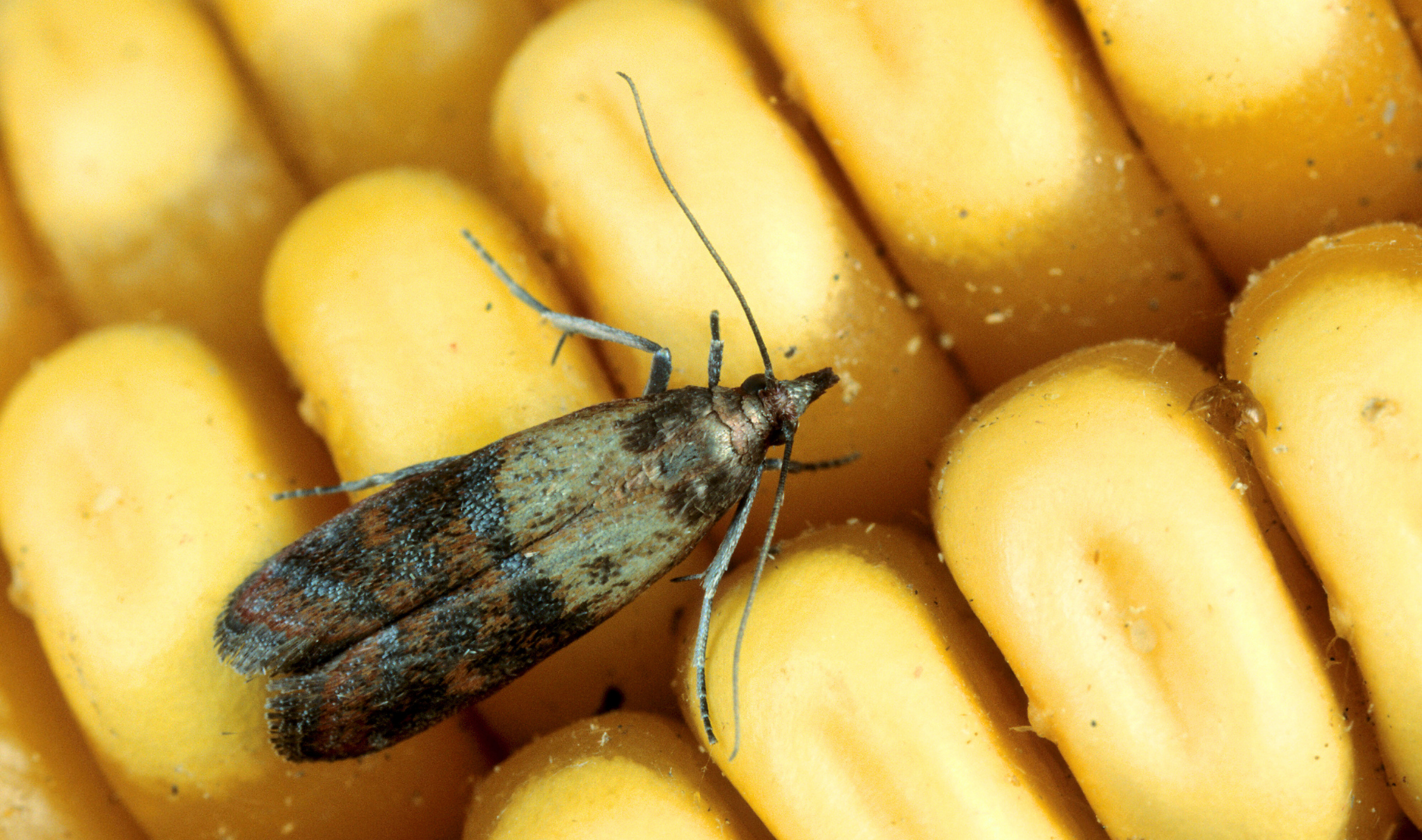
Stored product pests are notorious for triggering return visits when the initial inspection isn’t slow and deliberate. Indian meal moths are often seen coming out of pantries when lights come on at night, but the real source is usually an overlooked bag of cereal, pet food, or decorative food item tucked behind other boxes. Drugstore beetles can be even trickier since they hide in wood, then pop up later in unsealed spices or old pantry goods. When these sources get missed, the infestation keeps cycling and customers assume the treatment didn’t work.
One of the best approaches for residential customers is a cooperative inspection. You can invite the homeowner to work with you and frame it as a team effort: “no judgment, we’re just making sure nothing is hiding.” Clearing the pantry together builds trust, uncovers forgotten problem items, and helps the customer understand why certain steps are needed to stop repeat issues.
Commercial Challenges & Monitoring
On the commercial side, technicians often field calls about confused flour beetles, cigarette beetles, and other pests tied to meat, cheese, and processed foods. Facilities handling grains or bulk goods often see rice weevils, grain beetles, and other whole-grain pests that can move quickly through stock if they’re not caught early. These infestations are rarely “one-off problems.” They usually point to gaps in sanitation, storage, or incoming product inspections.
Sanitation and monitoring really form the core of commercial stored product pest control. Once the pest is identified, pheromone traps and species-specific monitors should be placed immediately and maintained consistently. These tools are helpful for tracking population movement, pinpointing hot spots, and giving you the data you need for long-term, facility-wide control.
Gentrol® Control
Stored product pests are notorious for hiding in those hard-to-reach corners, cracks, and gaps. Most control products can’t reach inside those nooks and crannies, and so infestations aren’t 100% eliminated.
Gentrol® products, like Gentrol Point Source® Roach Control Device and Gentrol® Complete EC3, give technicians a way to disrupt these hidden populations. Gentrol® IGRs feature a translocating active ingredient that spreads throughout an area. That means it can reach areas you can’t treat directly and interrupt the life cycle before pests mature.
For species like cigarette beetles, drugstore beetles, rice weevils, and pantry moths, this kind of control is critical. Even when the main food source is removed, larvae or pupae may still be tucked away in nearby spaces. Using Gentrol® products alongside sanitation and species-appropriate monitoring ensures you’re addressing both the visible infestation and the unseen sources that trigger callbacks.
For larger homes, grocery stores, food storage areas, and other high-risk commercial sites, it’s a reliable foundation for long-term control and fewer return visits.
Explore our full line of solutions at Zoecon.com and follow us on social for updates!
Facebook - Zoëcon® Professional Products
Twitter - @ZoeconCentralLS
X - @ZoeconCentralLS
RELATED ARTICLES


