





Mosquito Control Deep Dive: Effective Treatment Explained
.png)
Customers think they know when mosquito season starts. It's that first bite or the buzz in their ear. But for technicians and pest control operators, the season begins much earlier. It starts in warm, stagnant water, where the first generation of larvae is already developing long before adults are visible. By the time those first bites show up, the population is already established.
Where Mosquito Problems Start
Mosquitoes are masters of two habitats—aquatic and terrestrial. Mosquitoes spend much of their lives developing in water, moving through egg, larva, and pupa before emerging as adults. Thus the aquatic stage is the most efficient point of treatment.
Both Culex and Aedes species utilize a wide range of breeding sites, from containers and bird baths to clogged gutters, storm drains, and flooded low areas. Some species add another layer of resilience, with eggs that can withstand dry conditions for months and hatch after rainfall.
This behavior and physical adaptations make urban mosquito control challenging especially if that window of initial growth is left unchecked.
How Mosquito Problems Escalate
With warming temperatures and increased moisture, mosquito populations can grow exponentially over the summer. Warm temperatures accelerate growth and shorten development cycles allowing eggs to hatch within a few days, and larvae to develop into adults in as little as one to two weeks.
Summer storms expand breeding sites and mosquito habitats creating a narrow window for larval control before populations expand. Sites that were previously dry or insignificant can become conducive almost overnight.
How Pest Management Professionals Can Get Ahead
Pest management professionals need the best tools to help fend off mosquito populations. As with most integrated pest management programs, it all comes down to targeting the most vulnerable stages of the pest and using a range of tools to prevent resistant populations from developing.
Programs that rely on a single insecticide targeting adults will quickly run into problems achieving long-term control. They often fall into a reactive cycle, chasing populations after they've already established.
Larvicides provide the most efficient point of control because they stop mosquitoes before they emerge and reproduce. Target standing water in high-risk areas such as catch basins, storm drains, clogged gutters, containers, and low-lying areas. Applications of an insect growth regulator like Altosid® in these environments prevents mosquitoes from completing development, reducing the number of biting adults.
Insecticides that target adult mosquitoes play a different role. Products like Precor® Outdoor F-T-M and the Essentria® line are used to control active populations and provide knockdown in areas where mosquitoes are already present. These treatments are most effective when applied to resting sites such as vegetation, shaded structures, and areas where mosquitoes shelter during the day. Rather than serving as the primary line of defense, these treatments work best as a complement to larval control, helping reduce immediate pressure while longer-term suppression takes effect.
Suppressing mosquito populations early is critical not just for nuisance control, but for reducing disease risk. Mosquitoes are known vectors of pathogens such as West Nile virus, encephalitis, Yellow Fever, Dengue, and other arboviruses. As populations increase, so does the potential for transmission. Waiting until adult activity is high increases both operational pressure and public health risk.
The most effective programs don't chase mosquitoes. They reduce the conditions that allow populations to build in the first place, combining larval control, targeted adult treatments, and habitat-focused applications into a consistent, proactive strategy.
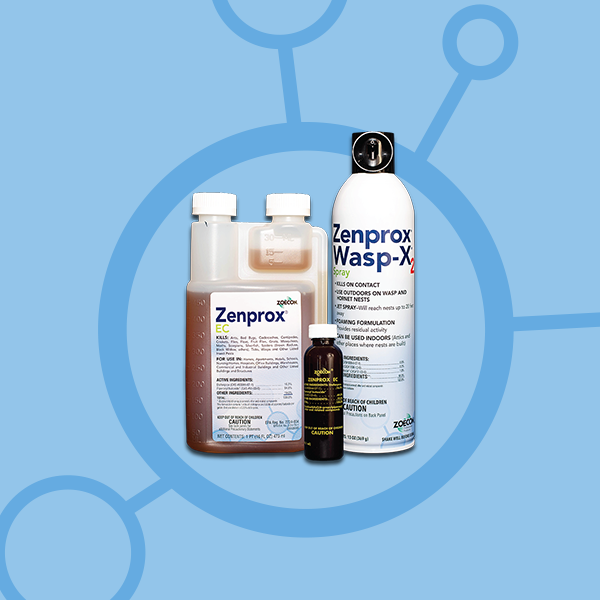
Effective mosquito control requires the right solution. Find the Zoëcon® product that fits your needs here.
RELATED ARTICLES