



The Benefits of Botanical Control for Spring and Summer Outdoor Treatments

As cooler spring conditions give way to rising summer temperatures, outdoor pest pressure accelerates, causing pest management professionals to adjust how and where they treat.
At the same time, the tools techs have relied on are facing increasing constraints. Pyrethroid limitations, resistance concerns, and rising customer expectations are narrowing the margin for error and pushing operators to rethink how they build and deliver outdoor treatment programs.
Shifting Control Methods
For many PMPs, pyrethroids have long been a reliable foundation for outdoor control. But that foundation is becoming more limited. Regulations aimed at reducing water contamination restrict applications in areas prone to runoff, requiring greater precision around drainage, rainfall, and irrigation. Repeated use has increased resistance pressure in some pest populations, making consistent control more difficult as seasons extend and populations build earlier.
Customer expectations are shifting as well, with homeowners asking more questions about what's being applied around their homes.
Together, these pressures are converging to encourage a more flexible, integrated approach to outdoor pest control.
What Botanical Control Is (and Isn't)
One way to expand that flexibility is by incorporating botanical products. But to use them effectively, it's important to understand what they can and cannot do.
Botanical insecticides are derived from plant-based oils such as rosemary, peppermint, clove, and thyme. They provide fast knockdown and repellency through contact activity. They are commonly used in targeted applications where flexibility and customer sensitivity are priorities.
Botanicals are not a replacement for conventional chemistries in every situation. They are most effective when used as part of an integrated program.
Key Benefits for PCOs
For PMPs, the value of botanical control lies in its ability to expand flexibility amid regulatory, operational, and customer-driven constraints.
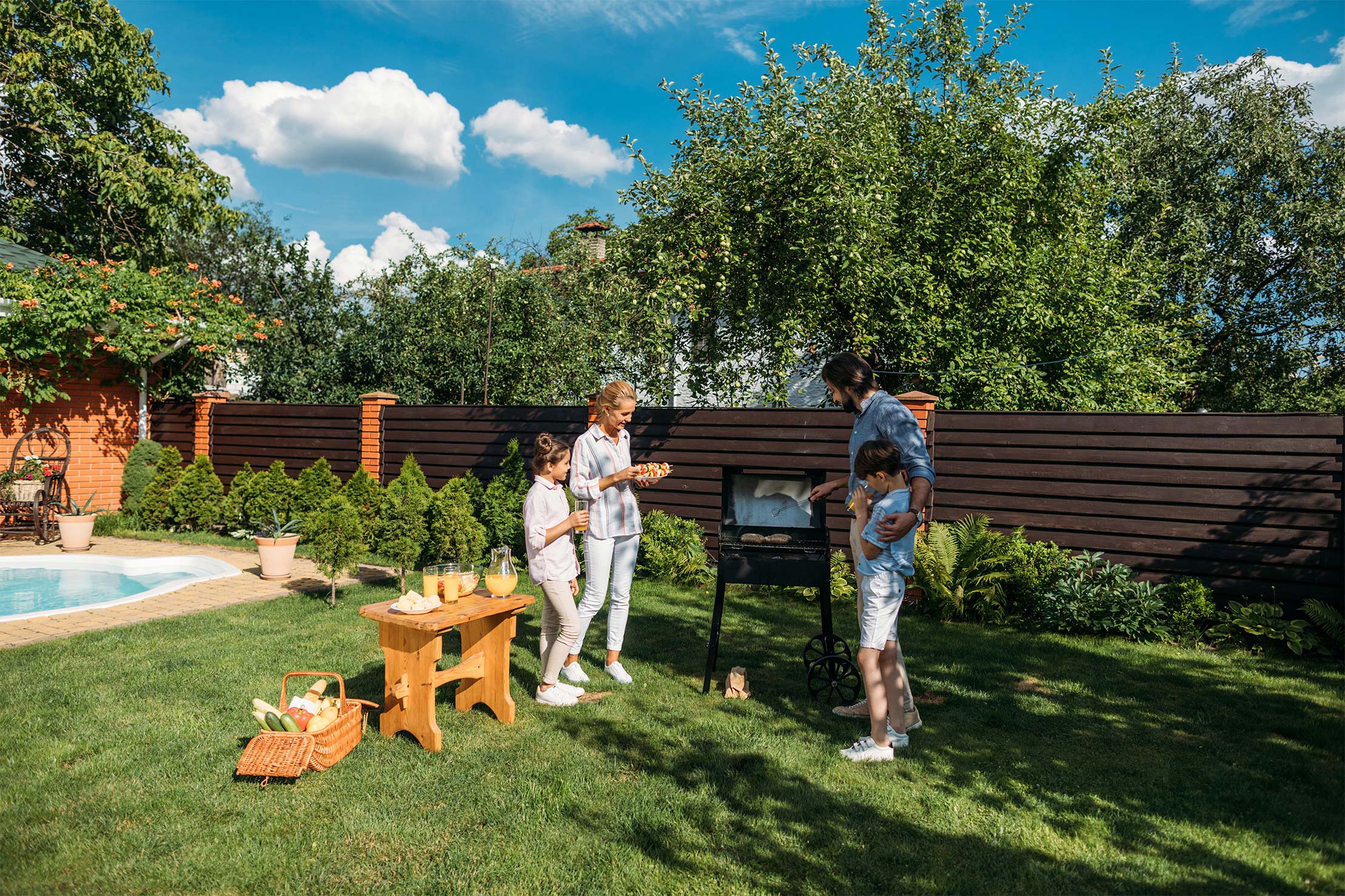
Greater flexibility under regulatory and environmental restrictions: Botanicals can be used in areas where runoff risk, surface restrictions, or label limitations prevent or limit the use of conventional solutions. This makes them useful in sensitive environments such as hard surfaces, patios, schools, and pet zones, where traditional chemistries may be limited.
Lower residual profile aligned with customer expectations: Botanical products break down more quickly in the environment, resulting in lower residual exposure on treated surfaces. This aligns with customer preferences for treatments in outdoor living spaces where children and pets are active, while also allowing PMPs to reapply as needed without long-term buildup.
Support for resistance management strategies: The diverse mix of active compounds and modes of action in a single solution makes botanicals a useful rotation tool, reducing reliance on a single chemistry and helping preserve long-term efficacy.
Effective integration into modern IPM programs and repellency complement other tools, such as IGRs, allowing PMPs to target active pests while managing population growth across life stages.
Putting It into Practice
These shifts in regulation, resistance, and customer expectations are shaping how outdoor programs are built in the field. For many PMPs, that means expanding beyond a single chemistry and incorporating tools that offer more flexibility across different environments.
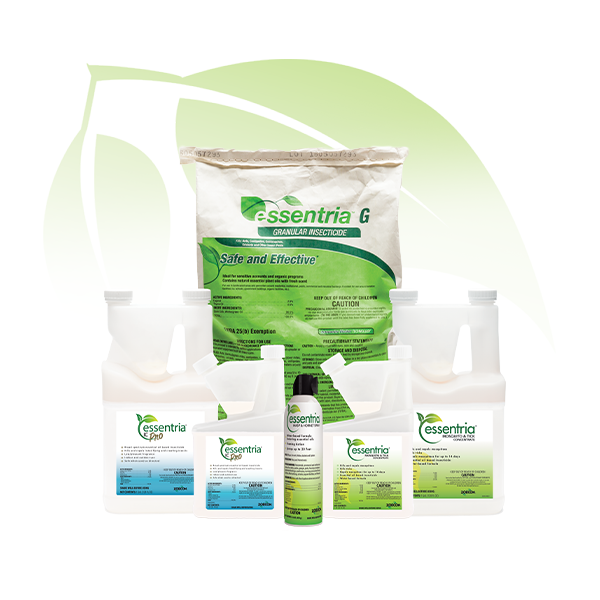
Products like Essentria® Mosquito & Tick Concentrate are designed to fit that role. Formulated with plant-based essential oils, Essentria Mosquito & Tick Concentrate repels mosquitoes for up to 14 days, thus making it well-suited for perimeter treatments, vegetation applications, and outdoor living spaces where traditional options may be limited.
When used alongside other control methods, including larvicides and IGRs, Essentria solutions help PMPs maintain control across multiple life stages while adapting to the constraints of modern outdoor service programs.
The trend toward botanicals is less about being "green" or "natural" and more about using solutions that offer long-term options that remain consistent, reliable, and efficient. The trend is heading toward more flexible, integrated control strategies that are a win for PMPs and their customers.
Want to learn how science-backed botanical solutions can strengthen your IPM programs and grow your business? Read our article in the latest "State of the Naturals" market report by PCT Magazine
Also, be sure to follow us on social, so you never miss an update!
- Facebook - Zoëcon Professional Products
- X - @zoeconcentralls
- LinkedIn - Zoëcon Professional Products
RELATED ARTICLES